UPF Clothing & Chic Accessories for Sun-Safe Style
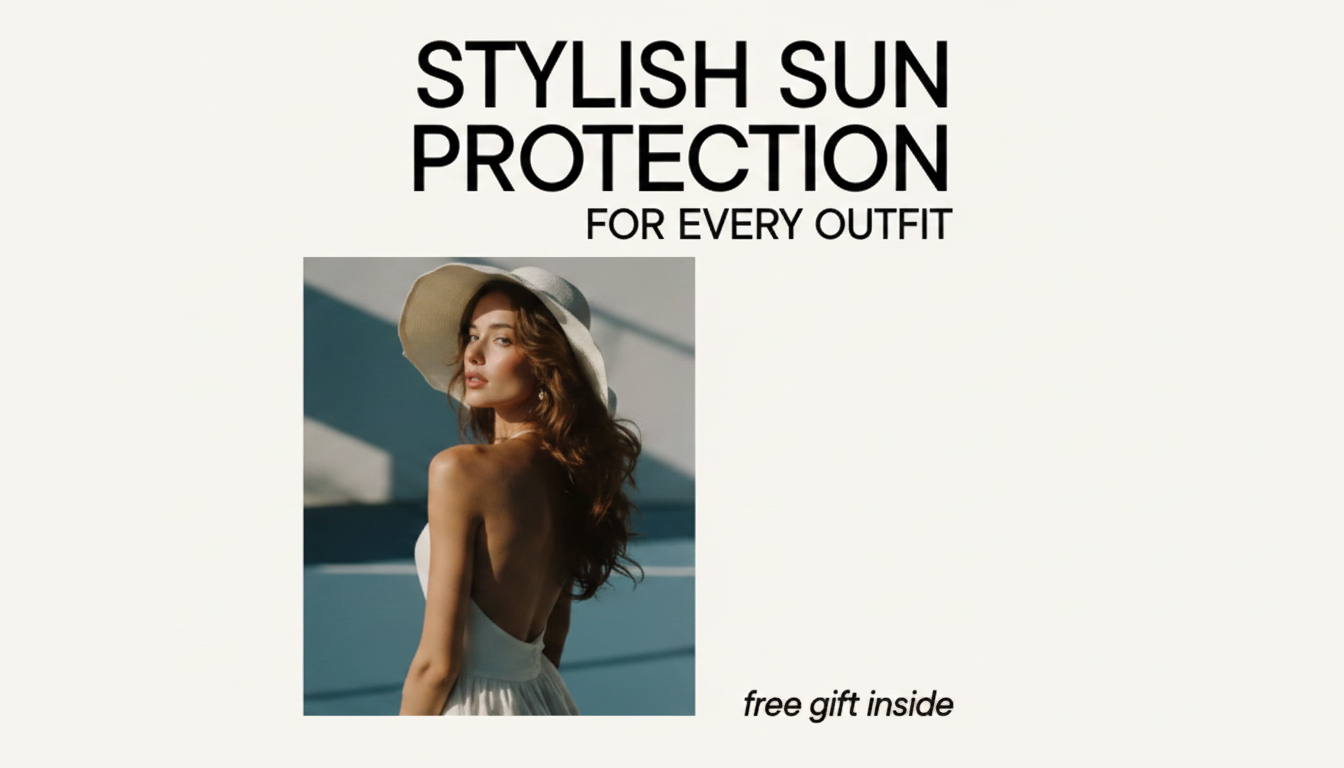
Stylish Sun Protection for Every Outfit: Clothing, UPF Fabrics, and Chic Sun-Safe Accessories
Sun-safe dressing can look polished, modern, and effortless when coverage, fabric choice, and accessories work together. The goal is simple: reduce daily UV exposure without feeling over-bundled, overheated, or stuck in one “sporty” look. Below is a practical guide to what UPF really means, which materials and constructions tend to perform best, and how to build outfits that stay breathable and flattering for beach days, city errands, travel, and outdoor workouts.
What UPF means (and what it doesn’t)
UPF (Ultraviolet Protection Factor) measures how much UV radiation a fabric allows to reach your skin—so a higher UPF generally means more protection from UVA/UVB through the textile. It’s different from sunscreen SPF, which applies to lotions and is tested on skin, not garments.
UPF also isn’t the whole story. Coverage matters: a lower-UPF piece that covers more skin can still be a meaningful upgrade versus exposed areas. Fit matters too—when fabric stretches (especially knits), it can let more UV through, so slightly relaxed silhouettes can be a smart choice for long days outside. Color can influence performance: darker or more saturated shades often block more UV than very light, sheer options.
For a deeper overview of how sun-protective clothing works, the Skin Cancer Foundation’s guide to sun protective clothing and the American Academy of Dermatology’s sun protection recommendations are helpful references.
UPF-minded fabric and style cheat sheet
| Fabric/Construction | Why it helps | Best for | Styling tip |
|---|---|---|---|
| Tightly woven cotton poplin/denim | Dense weave reduces UV transmission | Casual days, sightseeing | Pair with a crisp button-up and wide-leg pants for coverage without bulk |
| Polyester/nylon performance knits (often labeled UPF) | Many synthetics provide consistent coverage and dry fast | Beach days, sports, travel | Use a streamlined UPF top as the base layer and add statement accessories |
| Linen (varies by weave and weight) | Breathable; protection depends on thickness/weave | Hot climates, resort looks | Choose heavier, less sheer linen and layer with a lightweight overshirt |
| Rash guards/swim tops with UPF labels | Designed for high-UV environments and water reflection | Swimming, paddleboarding | Balance sporty tops with tailored shorts or a wrap skirt for a chic finish |
| Open weaves/sheers | Let more UV through | Evening wear or layered looks | Wear over an opaque, UPF-rated base or reserve for low-UV times |
Build a sun-safe wardrobe that still feels like your style
Instead of buying a closet full of specialty pieces, start with a “coverage core”—a few items that can flex across outfits and settings. Think long-sleeve tops, lightweight overshirts, and breathable outer layers that can be added or removed as you move between sun and shade.
If you want a quick-reference resource for shopping and packing decisions, Stylish Sun Protection for Every Outfit (instant-download eBook) organizes fabrics, outfit ideas, and accessory pairings into an easy, on-phone guide.
Outfit formulas for real life (errands, office, travel, beach)
Having a few repeatable formulas makes sun-safe dressing feel effortless—especially on high-UV days. If you’re unsure how intense the day will be, checking the EPA UV Index scale can help you decide when to lean into higher coverage and more protective fabrics.
- City errands: long-sleeve breathable top + high-rise trousers + sunglasses + a packable brim hat. Finish with a structured tote so your look reads “put-together,” not “post-gym.”
- Office-friendly: lightweight blazer or structured overshirt over a sleeved top; ankle-length trousers or a midi skirt keep legs more covered while still feeling modern.
- Travel day: a zip layer or hoodie + relaxed pants; add a scarf or collar option to reduce neck exposure when you’re stuck in bright terminals or window seats.
- Beach and pool: a UPF swim top or rash guard + swim bottoms, then add a cover-up shirt dress for walking to lunch. For men’s swim days, a clean, minimal trunk keeps the look sharp—see NIKE Swim Men’s Black Drawstring Swim Trunks – Spring/Summer Essential for an easy, versatile option.
- Outdoor workouts: fitted UPF top + breathable running cap; prioritize sweat-wicking fabrics and chafe-free seams, and consider slightly looser sleeves if you’ll be moving for a long time.
Chic accessories that pull the look together (and add coverage)
Care tips to keep sun-protective pieces performing well
A ready-to-use digital guide for building sun-safe outfits fast
If you prefer a “grab-and-go” reference while shopping or packing, Stylish Sun Protection for Every Outfit (instant-download eBook) covers how to spot coverage-friendly constructions, outfit-building ideas that balance heat management with polish, and accessory choices that work across aesthetics (minimal, sporty, classic, resort). Because it’s an instant download, it’s easy to pull up on your phone before a trip or a sunny weekend.
FAQ
What is a good UPF rating for everyday clothing?
UPF 15–24 is considered good protection, 25–39 is very good, and 40–50+ is excellent. For long outdoor exposure (beach days, sports, travel), choosing higher UPF and more coverage tends to be the most reliable approach.
Do dark colors always protect better than light colors?
Not always. Darker or more saturated colors can help, but weave density, fabric thickness, fiber type, and how much the fabric stretches can matter just as much—so tightly woven or labeled UPF items are usually the safest bet.
Can UPF clothing replace sunscreen?
UPF clothing helps reduce UV exposure on covered areas, but sunscreen is still useful on exposed skin like the face, hands, and ankles. It’s also important in situations with reflected UV, such as around water or bright sand.








Leave a comment