7-Drawer Fabric Storage Dresser for Small-Space Sorting
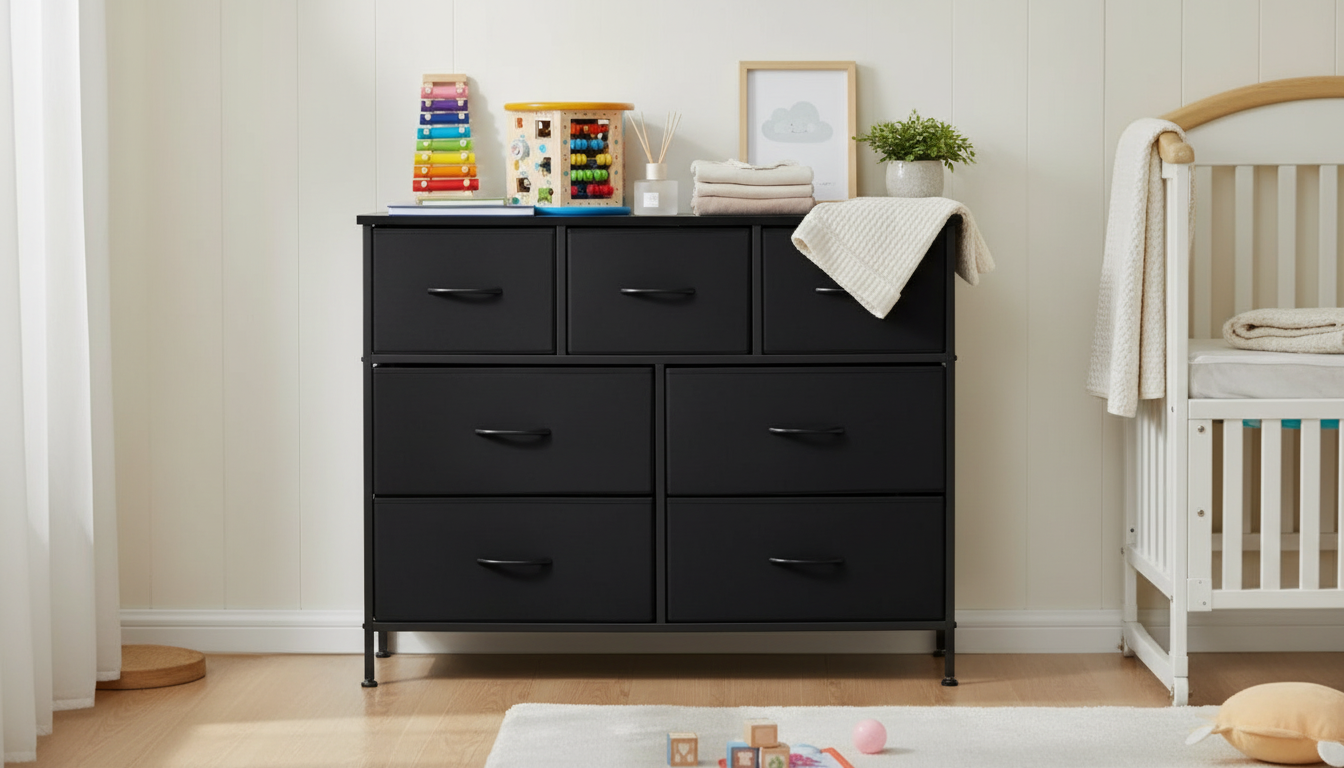
A compact fabric dresser can clear visual clutter fast without the weight and cost of traditional furniture. This 7-drawer organizer is designed for everyday sorting—clothes, linens, accessories, toys, or entryway essentials—while staying light enough to move when a room layout changes. If you’re trying to replace “the chair” full of outfits, corral kid items into one spot, or add overflow storage to a closet, a fabric storage organizer is an easy upgrade that doesn’t require a full furniture commitment.
What this fabric dresser does well
When life gets busy, organization systems only work if they’re simple. A 7-drawer fabric dresser focuses on quick wins: clear categories, easy access, and a tidier-looking room.
- Creates dedicated zones for daily essentials, reducing pile-ups on chairs, beds, and countertops.
- Fits well in bedrooms, living rooms, closets, dorms, and home offices where floor space is limited.
- Keeps items dust-minimized and visually contained compared with open shelving bins.
- Works as a flexible add-on for apartments and rentals where permanent built-ins aren’t possible.
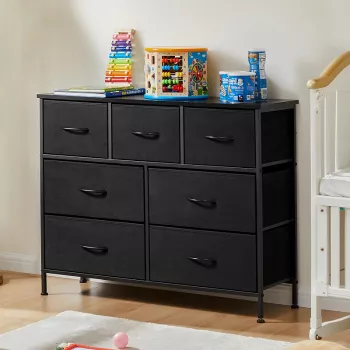
For a ready-to-go option, the 7-Drawer Fabric Storage Organizer Dresser for Bedroom and Living Room is a practical way to add storage without bringing in heavy wood furniture.
7-drawer layout ideas that make organizing easier
The secret to keeping drawers functional is assigning roles by frequency and weight: small, frequently-used items up top; everyday folded items in the middle; bulky items down low. Once the “map” is set, it’s easier to put things away in seconds instead of creating a new pile.
- Top drawers: frequently used items like socks, underwear, chargers, remotes, or daily accessories.
- Middle drawers: folded tees, workout gear, pajamas, or small linens.
- Bottom drawers: bulkier items such as sweaters, blankets, craft supplies, or kids’ toys.
- Label each drawer by category to prevent “misc” overflow and speed up resets.
Drawer plan examples by room
| Room | Top drawers | Middle drawers | Bottom drawers |
|---|---|---|---|
| Bedroom | Socks/underwear, accessories | T-shirts, sleepwear | Sweaters, extra linens |
| Living room | Remotes/chargers, candles | Board games, craft items | Throws, seasonal decor |
| Closet | Belts/ties, gym items | Tops, shorts | Hoodies, towels |
| Kids’ room | Small toys, art supplies | Shirts, pajamas | Stuffed animals, blankets |
If you’re organizing a nursery or kids’ drawers, grouping by outfit “sets” can make mornings smoother (tops in one drawer, bottoms in another, socks/extra diapers in the top). Small clothing essentials also pair nicely with simple drawer categories—especially when you’re rotating sizes and seasonal basics like the Baby Girls Cute Sleeveless Cotton Bodysuit.
Where it fits best in a bedroom or living room
Placement matters as much as drawer labels. The best spot is where you naturally drop items or where you regularly need to grab something quickly.
- Bedroom: beside a closet, at the foot of the bed, or as a lightweight alternative to a nightstand.
- Living room: near the entry to catch sunglasses, hats, dog leashes, and grab-and-go items.
- Nursery/kids’ room: quick-access storage for onesies, bibs, diapers, or toy rotations.
- Small spaces: pairs well with vertical storage—wall hooks above, baskets on top, and drawer sorting below.
For home offices, a fabric dresser can also work as a side station: cables and peripherals in the top drawers, stationery in the middle, and bulk supplies down low. If you’re building a compact setup, pairing organized storage with a streamlined screen like the 24 Inch FHD Gaming Monitor with 165Hz Refresh Rate and AMD FreeSync Technology can help keep the desktop clear and the room feeling less crowded.
Setup and stability tips
Fabric dressers are meant to be light and convenient, but they still benefit from careful assembly and smart loading. A few minutes of setup attention can prevent wobble and keep drawers gliding smoothly.
- Assemble on a flat surface and tighten all fasteners evenly to reduce wobble.
- Place heavier items in lower drawers to improve balance.
- Keep the top surface for lighter items like a lamp, small tray, or organizer caddy.
- If used around kids or in high-traffic areas, position it against a wall and avoid overloading upper drawers.
For additional safety guidance—especially in homes with children—review furniture tip-over prevention recommendations from the CPSC Tip Over Information Center.
Keeping fabric drawers clean and looking fresh
Fabric drawers stay looking sharp longer when the contents are contained and the fabric is treated gently. This is especially helpful if the dresser sits in a living room where it’s always in view.
For general best practices on keeping fabrics in good condition, the American Cleaning Institute — Fabric Care guide is a helpful reference for gentle cleaning habits.
Quick product details
| Item | Details |
|---|---|
| Name | 7-Drawer Fabric Storage Organizer Dresser for Bedroom and Living Room |
| Price | $49.82 USD |
| Availability | In stock |
| Link | View product |
FAQ
How much weight can fabric drawers hold?
Fabric drawer capacity varies by the frame design and drawer size, so it’s best to follow the included instructions and avoid overstuffing. Keep heavier items (like blankets or books) in the bottom drawers to improve stability, and reserve top drawers for lighter, frequently used items.
Is a fabric dresser good for a living room?
Yes—fabric dressers work well for throws, remotes, chargers, board games, and kids’ items while keeping the space looking calmer than open bins. Styling is easy: keep a small tray or basket on top, use consistent labels, and place it near where items tend to land (entry corner, sofa side, or media area).
How do you keep fabric drawers from sagging or sticking?
Don’t overload drawers, distribute contents evenly, and consider using small bins to keep items from shifting into bulges. During assembly, keep the frame square and tighten fasteners evenly; if a drawer starts sticking, re-check alignment and reduce the load.







Leave a comment